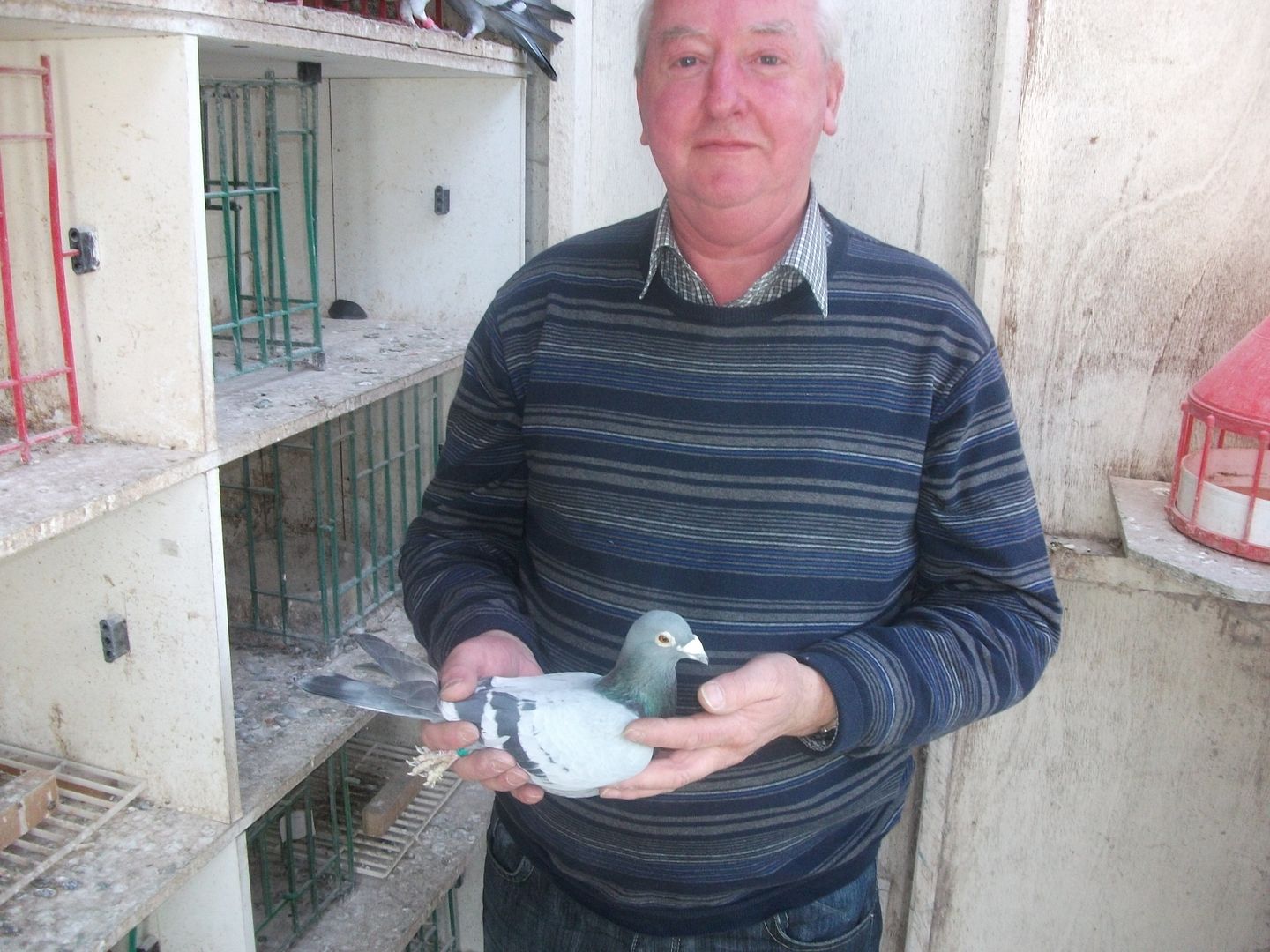
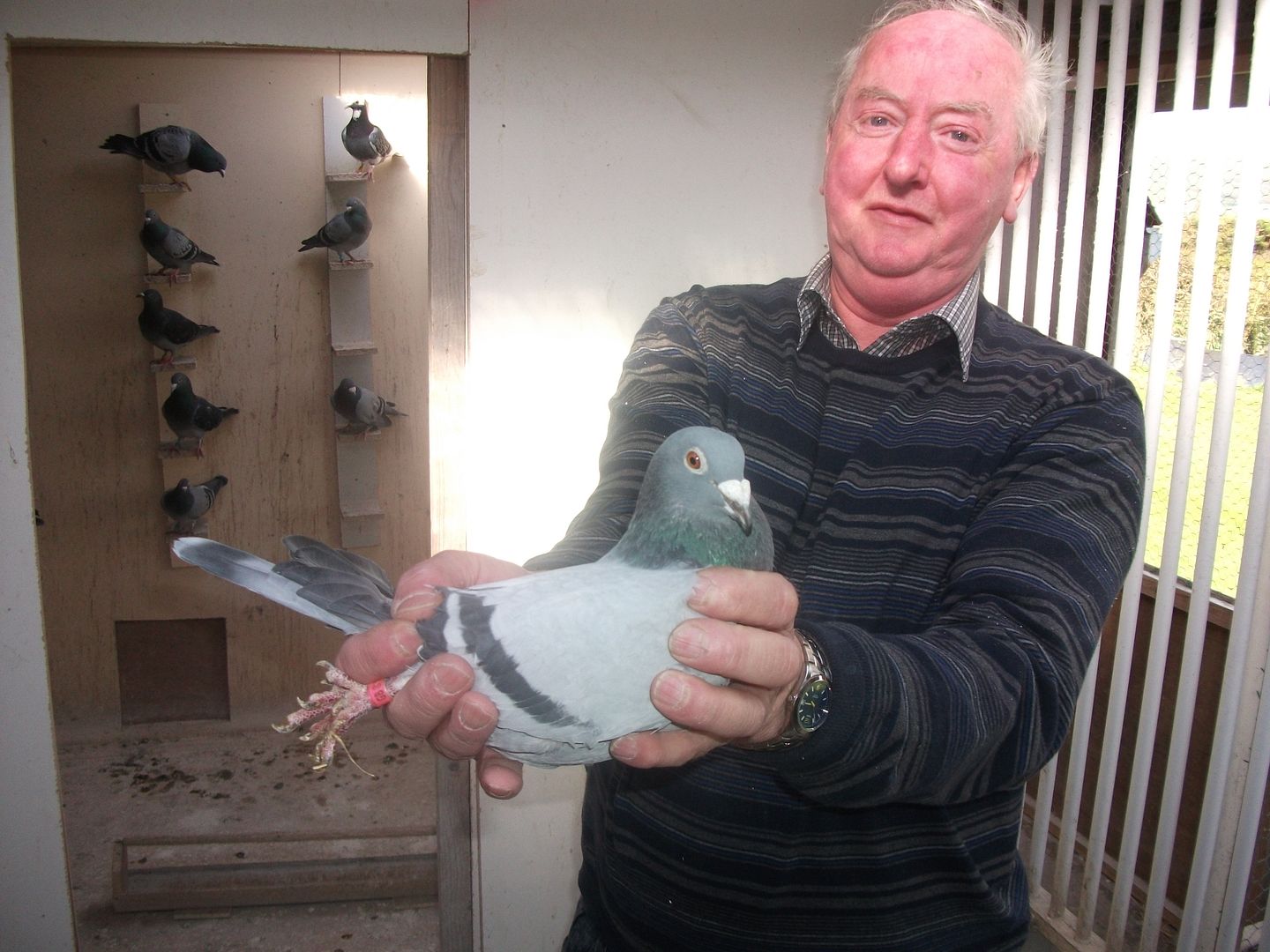
A fancier from across the pond was in touch with me recently, who obviously had been reading some of the earlier articles in the BHW about the fliers in the North West. His e-mail to me was headed West is Best, as he flew in similar conditions as we do and encountered the same problems due to our similar geographical positions. He subsequently rang me, asking if I was the Best in The West, a reference again to the articles. Far from it, I told him, but I know the man who is. That man, being none other than Ronnie Whiterow from Limavady.
Ronnie only started in the pigeon game back in 1988 or 1989, and admits, at the time, he knew absolutely nothing about racing pigeons. He didn’t even know that there was a pigeon club in Limavady. Unlike many fanciers, Ronnie didn’t come from a pigeon racing family. That being said, as a boy, he did catch and keep a few strays that he found on local farms, and he remembers going to Belfast with his father and buying an odd bird at the markets that he kept in an old chicken coup. So, it seems that it was always in his blood even if he didn’t know it at the time. He does admit that he has always been interested in anything that flies, and was especially keen on model aircraft.
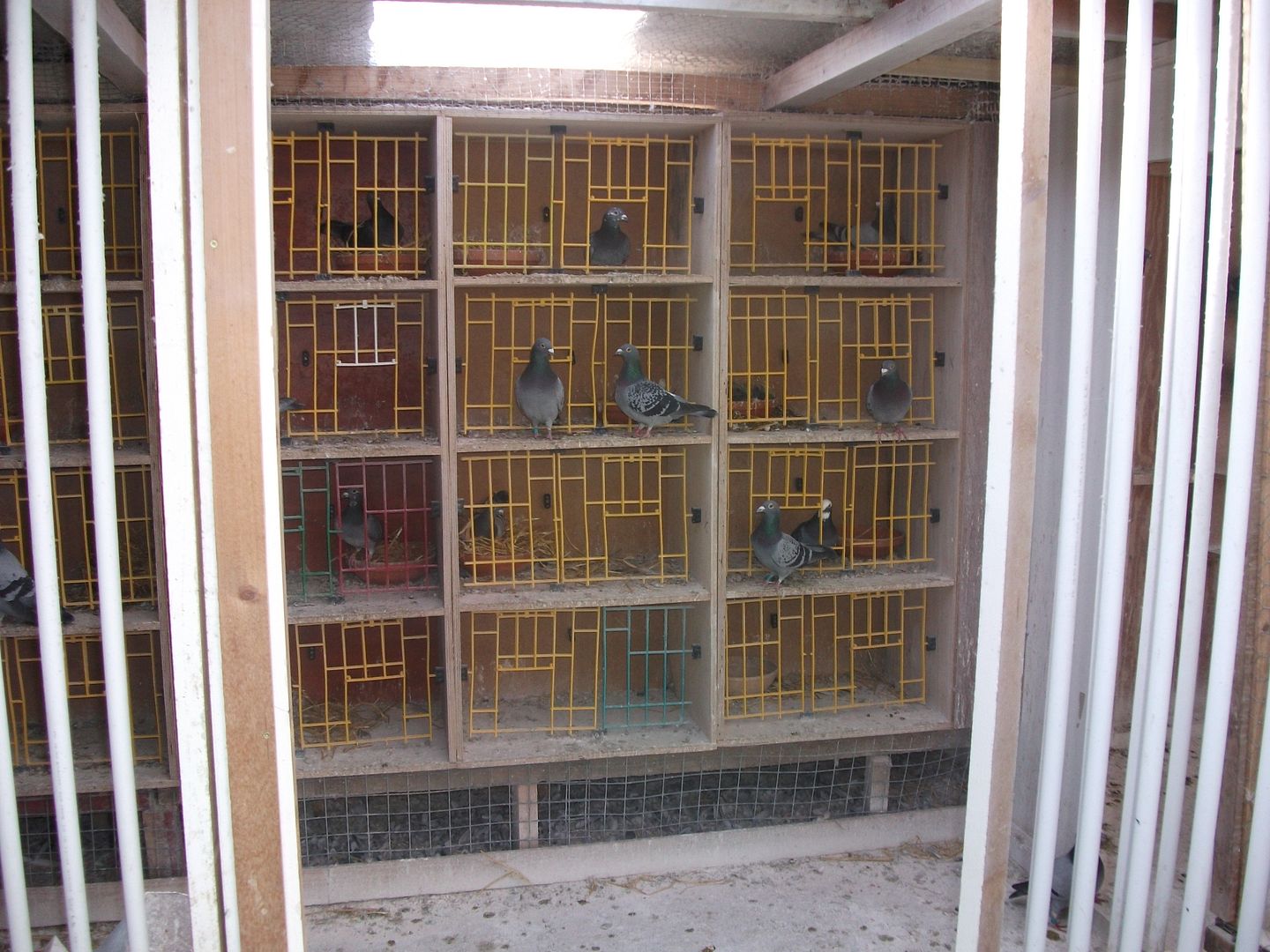
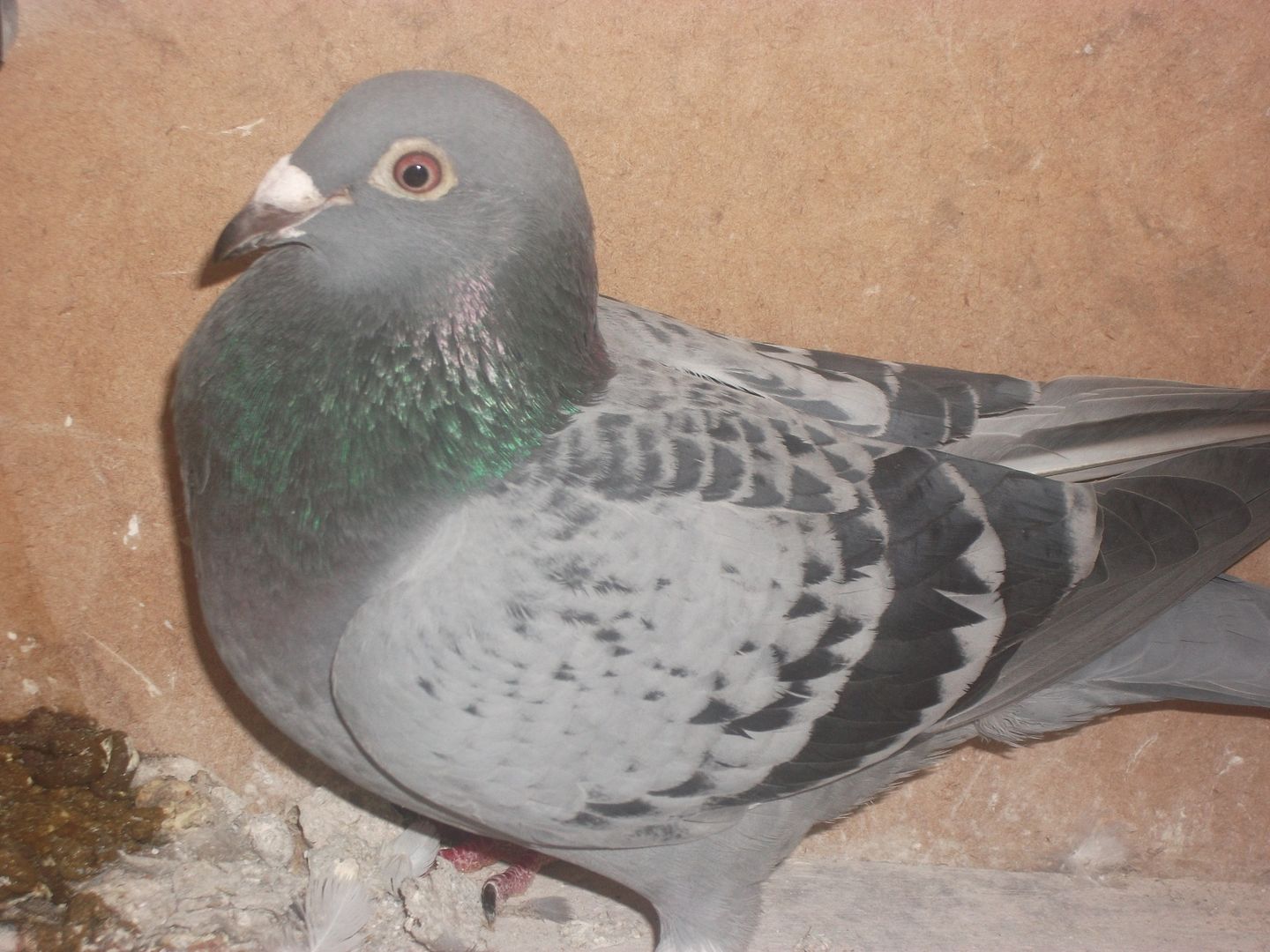
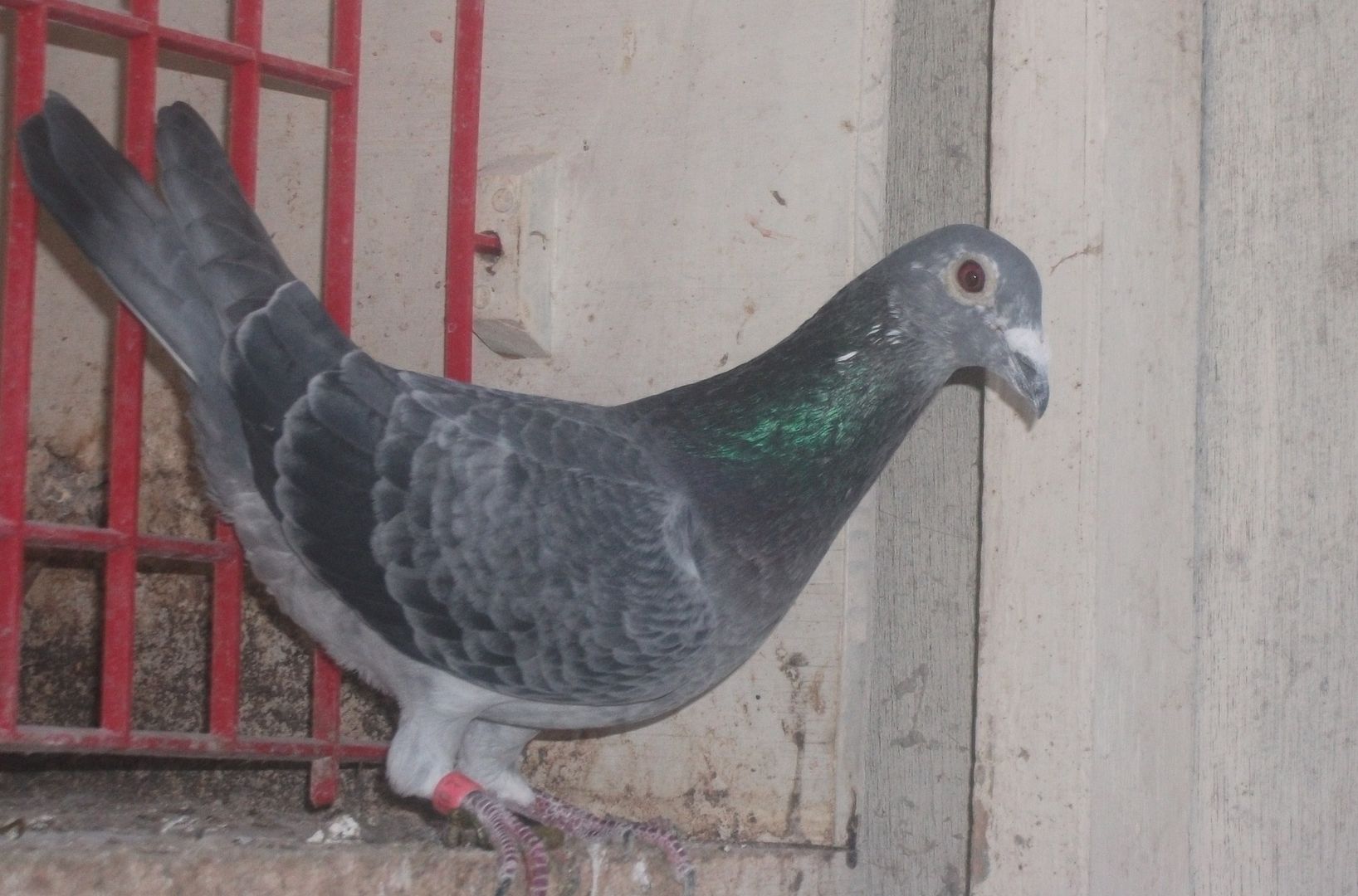
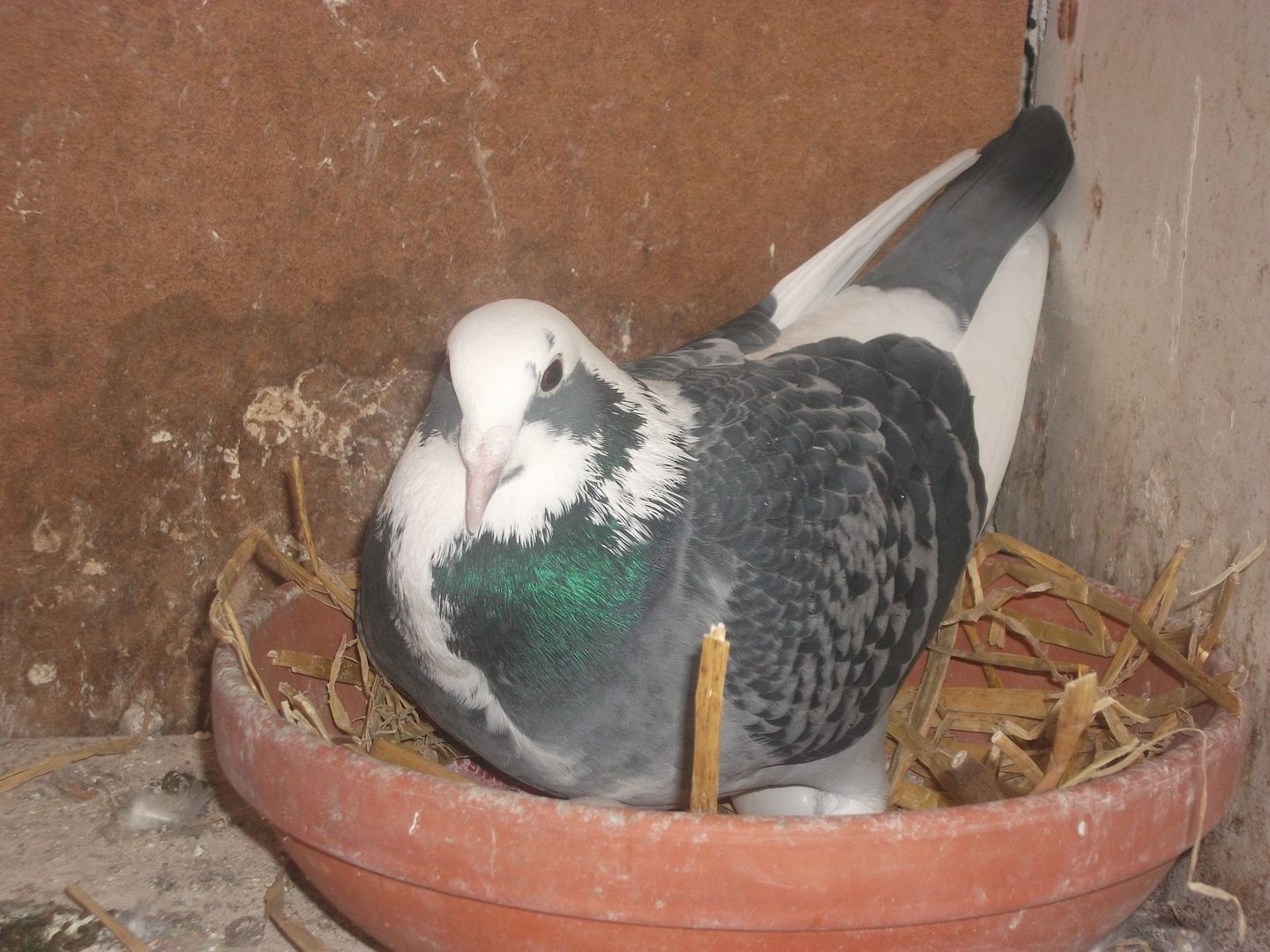
The first birds Ronnie bought and what became the origins of the birds he has today, where an Eddie Wright Jansen cock from Fountainhead and Busschaert hen that he bought at a sale in Glenavy, that he thinks he paid about twenty pounds for. In fact, a son of this pair was the winner of the first ever Section H race when the sections were split. In the late eighties and early nineties, this original pair bred seventeen first prize winners and six section winners. What price for a pair like that today? All the birds in the loft today are what Ronnie describes as dolly mixtures. There is nothing pure at all, and when it comes to breeding, Ronnie just opens the section up and the birds will pair up as they please. All the birds are paired at the same time with the exception of his distance pigeons, which he will hold back until the middle of March. He will take one or two rounds from his stock birds and will also breed from his top racers.
Ronnie has been at the very top of his game over the last few years and in 2010 and 2011 finished up as Section Flyer of the Year. He believes that everyone has their time at the top and everyone will have a good run at some time. The challenge then, is to try and stay at the top for as long as you can, because once you are up there, there is only one way you can go. He is holding on rightly it has to be said, and over the years has picked up around twenty section wins and countless wins at club level. The only thing that he hasn’t achieved to date, is to top the Open. He did however come close when picking up a second open behind Ronnie Williamson. With both birds recording the same velocity, he was only beaten by decimals. And the thing about this race was that Ronnie had a visitor at his home that day who saw the bird arrive and called to Ronnie. Thinking it wasn’t a race bird as he wasn’t expecting anything so quick, Ronnie was in no hurry to go to the loft, and it was only when he eventually went to let the bird in, that he discovered that it actually was a race bird. Needless to say, he never made that mistake again.
In total, he keeps around eighteen pairs of stock birds and breeds around eighty young birds each year. All the old birds have been raced on the roundabout system for the past three or four seasons. Prior to this he was completely natural, but believes that he gets a better fly from round about birds, with the hens for some reason, out shining the cocks. And, as he will tell you himself, as a man with no set system, this year, he is going to try widowhood as well. With regard to young birds, the first forty will go on to darkness while the rest will stay natural. At the end of the season, all the young are left to moult naturally and he doesn’t use any lighting to help them through the moult. He also feels that as yearlings, there is no difference when it comes to racing, between the darkened birds and the natural birds. He did however get a bit of a scare a few years ago when sixteen of his darkness young birds took off from the loft and where never seen again. This he blamed at the time on the darkening system and for the next year or two he didn’t darken at all.
When it comes to racing Ronnie has no preference as regards distance. If there is a race that week, he goes, no matter what distance. He has won from all distances including winning from France. He does like the Penzance race or even Bude but, stays well away from Talbenny, the NIPA’s pigeon graveyard and a race point that he can’t believe the NIPA still insist on using. Nowadays, he races solely now with the NIPA, although he has been a member of the INFC in the past.
When it comes to feeding, he feeds all rounder but when breeding, he will also feed plenty of homoform. And, when it comes to medication, he always treats for the usual, cocci, canker and worms, no other medication is used.
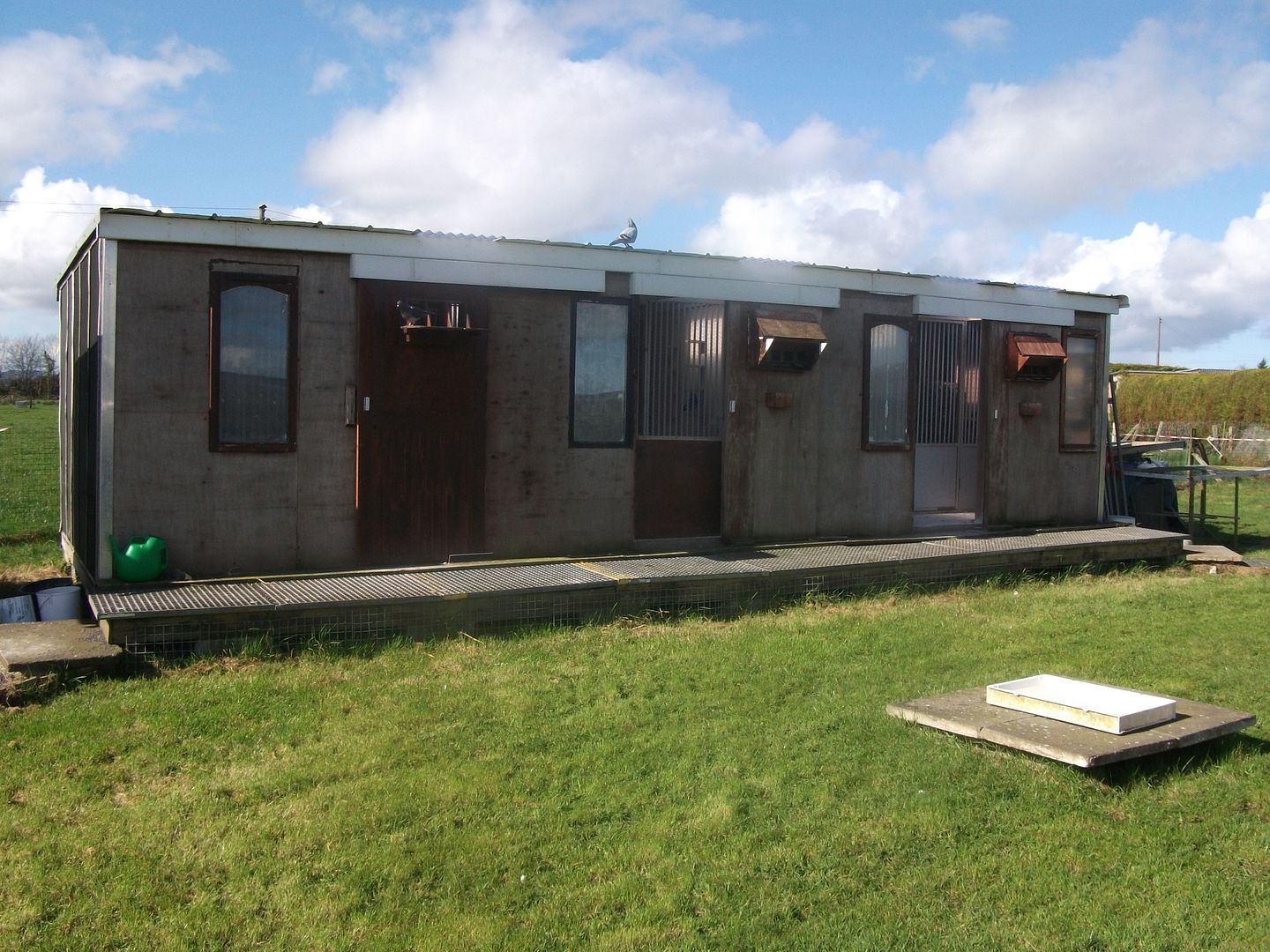
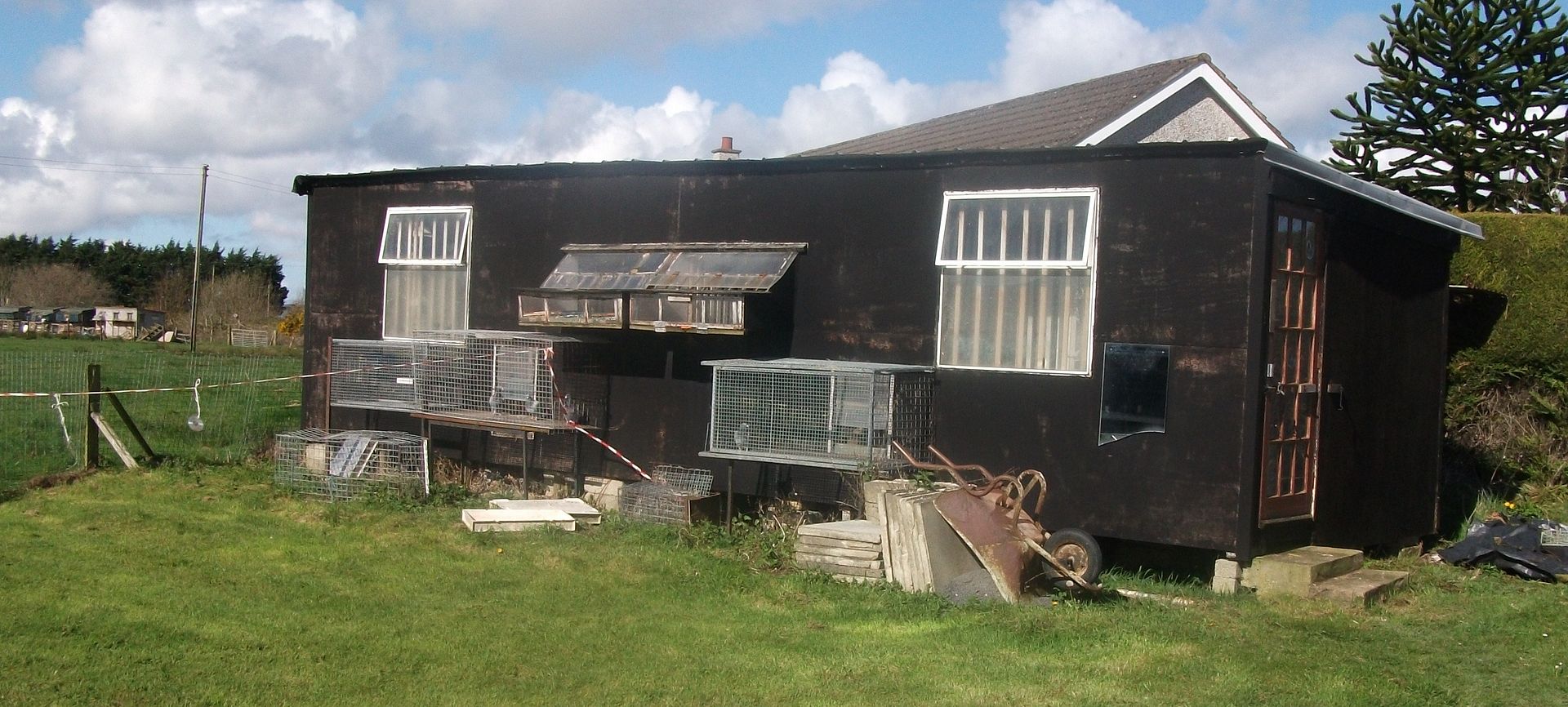
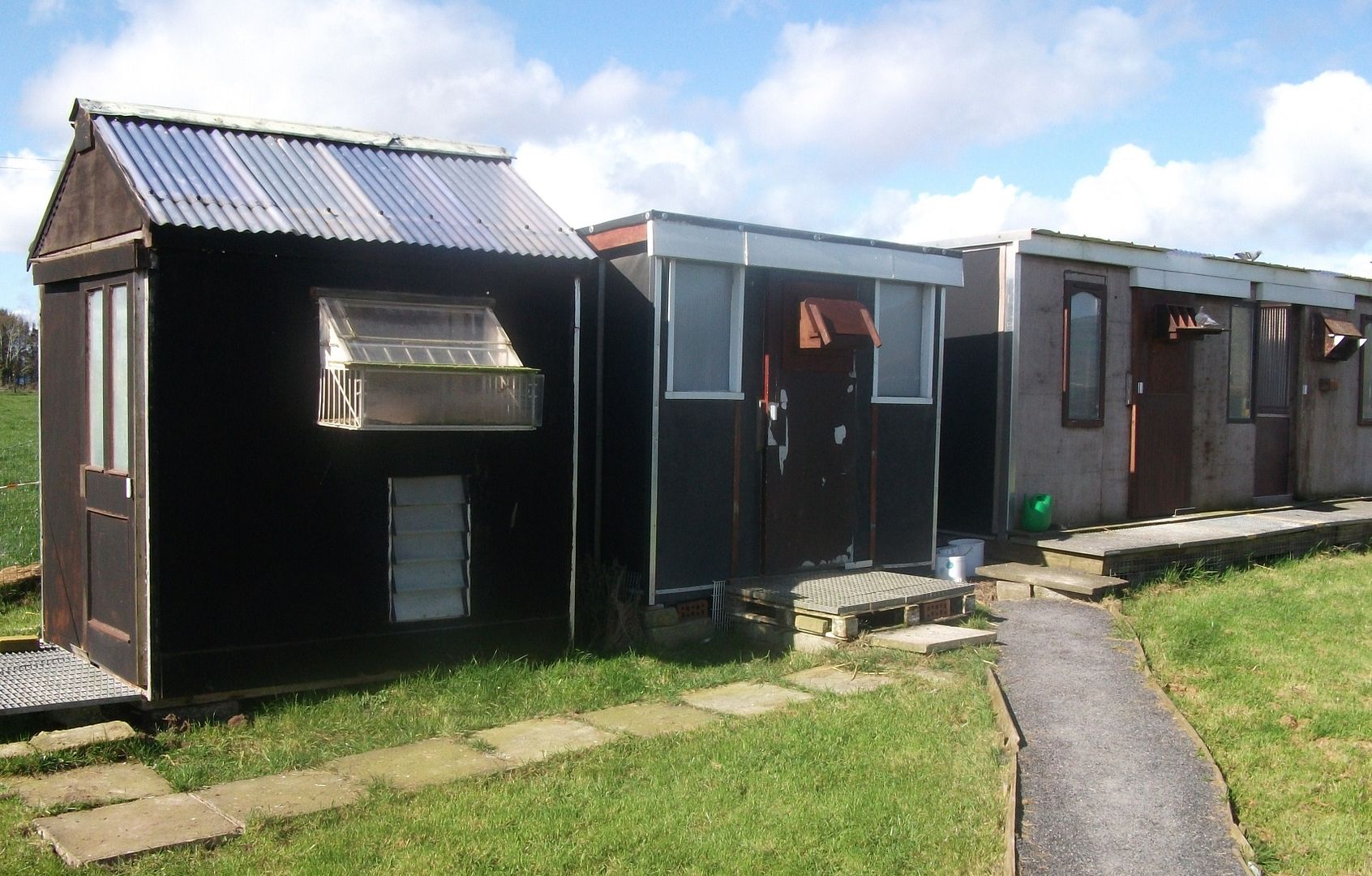
Ronnie is as keen as ever, and is looking forward to another good season. He is also very keen to see how his birds will react to the widowhood system. A really decent and straight forward fancier whose birds and set up are a credit to him, I think it is safe to say that we will be hearing a lot more about Ronnie for many seasons to come. And, who knows, perhaps that Open win will come as well.
billyknox@btinternet.com